Quick answer
Food can support health, not diagnose vasculitis
Skin inflammation has many possible causes. Eat enough, keep food varied, and check medicines or supplements with a clinician. Do not delay medical care while testing a diet.
How can lookalike conditions differ?
Eczema and contact dermatitis: itch, dryness, scaling, cracking, or oozing may follow an irritant or exposure.
Hives: raised itchy areas often move or fade, while painful or bruise-like changes need review.
Infection or medicine reaction: warmth, fever, rapid spread, blisters, peeling, mouth or eye involvement need medical attention.
Vasculitis: non-blanching spots, ulcers, pain, or organ symptoms require clinical assessment rather than a photo-based label.
What is a safer nutrition starting point?
Choose practical meals with protein, fibre, vegetables or fruit, and enough energy. Keep the pattern culturally familiar and compatible with kidney, liver, swallowing, medication, or allergy advice.
Record timing and symptoms if useful, but treat a food diary as a conversation aid—not proof that a food caused inflammation.
Ask about nutritional consultationSafety first
Do not wait for a food experiment
Seek urgent medical help for rapidly spreading purpura, dark or blistering skin, severe pain, fever with marked illness, breathing or eye symptoms, new weakness or confusion, severe abdominal pain, blood in stool or urine, or markedly reduced urine.
Do
Support the clinical plan
- Share all medicines, supplements, and herbal products.
- Keep meals adequate and varied unless your clinician advises otherwise.
- Ask which specialist should coordinate the next step.
Don’t
Self-treat a diagnosis
- Do not stop prescribed medicine or start megadose supplements.
- Do not use broad elimination diets without supervision.
- Do not book routine exercise care instead of urgent assessment.
Food questions during cardiac rehabilitation are often more complicated than choosing a “heart-healthy” list. Appetite may be poor after hospital treatment, weight may be changing unintentionally, medicines may raise questions, and a person may have diabetes, kidney disease, swallowing difficulty, or a clinician-set fluid or salt boundary. Nutrition can support rehabilitation, but cardiac recovery needs coordinated medical, exercise, and dietetic care.
The practical context in this city
Mumbai’s cardiac rehabilitation setting may involve a hospital discharge, a home-based programme, or a remote review between appointments. The city does not determine the right diet. A useful conversation records what the person can eat, how symptoms affect meals, what the cardiology team has restricted or encouraged, and which food or medicine question is still unresolved. The American Heart Association describes cardiac rehabilitation as a multidisciplinary programme rather than exercise alone.
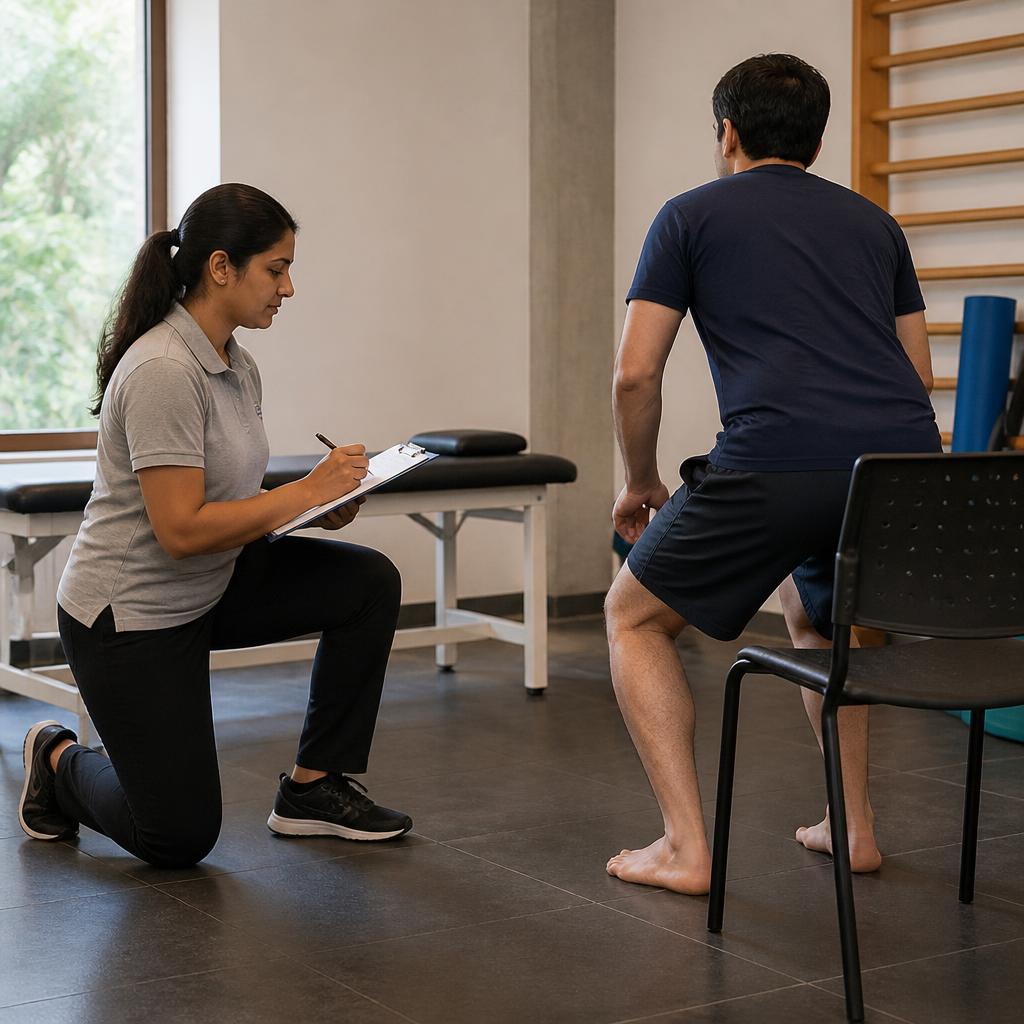
What a physiotherapist assesses
A dietitian or doctor may ask about appetite, unintentional weight change, nausea, vomiting, swallowing, breathlessness during meals, swelling, thirst, bowel changes, blood glucose, kidney function, and medicines. The team may need to know whether the person is following a fluid or sodium instruction and whether that instruction has changed. Food–medicine concerns should be checked with the prescribing clinician or pharmacist; a general article should not infer an interaction from one food or supplement.
How rehabilitation can progress
At a pattern level, meals can include familiar combinations of vegetables, fruit, pulses, whole grains or other cereals, nuts or seeds where safe, and suitable protein foods. The emphasis is a sustainable pattern rather than a rigid menu, a crash diet, or a promise that one ingredient repairs the heart. If appetite is low, the team may discuss nourishing options and practical meal frequency, but the portion, fluid, sodium, protein, and calorie advice must follow the person’s diagnosis and treatment.
What to expect from a home physiotherapy session
A physiotherapy visit may reveal that fatigue, breathlessness, weakness, or difficulty standing makes food preparation unsafe. The therapist can help plan a movement routine around meals, practise safe kitchen transfers, or suggest energy-conservation questions for the wider team. The visit does not authorize a supplement, change a prescribed fluid limit, or replace a cardiac or dietetic review. A short record of meals, symptoms, weight trend, and medication questions can make that referral more useful.
Do
- Bring the current medicine list and discharge instructions to nutrition appointments, record appetite and symptoms without trying to diagnose them, and ask which restrictions still apply.
- Keep a short record of symptoms, sleep, activity, and the daily task that is becoming easier or harder.
- Share discharge summaries, medication changes, restrictions, and new symptoms before a programme is progressed.
Don’t
- Do not start a supplement, detox, fasting plan, very low-salt or very low-calorie programme, or “heart cure” food routine without checking the person’s cardiac, kidney, diabetes, and medicine context.
- Do not copy a protocol from another person or use a good day as proof that a larger workload is safe.
- Do not delay medical review for a new or rapidly changing symptom because it appears during rehabilitation.
Safety and when to seek medical advice
Seek prompt clinical advice for persistent vomiting, dehydration concern, new swallowing difficulty, repeated coughing during meals, rapidly worsening breathlessness, new swelling, fainting, severe chest symptoms, or unintentional weight loss. A cardiac team should review any new or worsening exercise intolerance. Do not self-adjust a prescribed fluid or sodium restriction because thirst or appetite has changed.
Booking and follow-up
Home physiotherapy is arranged after the team understands the person’s condition, location, current precautions, and preferred care. Goswami Rehab offers home visits at ₹1,125–₹1,350 and online consultation at ₹742. Send the online booking request with the main concern, city, and preferred dates; the team confirms the appropriate next step within 24 hours. A teleconsultation can help review a previously assessed plan, but it does not replace emergency or specialist medical care.
This article is educational information only. It does not diagnose a condition or replace advice from a doctor, surgeon, cardiologist, neurologist, dietitian, or treating physiotherapist. Individual plans, timelines, and outcomes vary.
Related care: home physiotherapy coverage in Mumbai.
Where physiotherapy fits
Rehabilitation comes after medical clearance
Once the medical team has clarified the condition and precautions, physiotherapy may support fatigue and deconditioning, weakness, reduced endurance, joint stiffness, walking, transfers, daily activity, pacing, and a gradual return to routine.
Physiotherapy does not diagnose or treat vasculitis and does not replace dermatology, rheumatology, nutrition, or urgent medical care. Stop and seek medical advice for systemic or urgent warning signs.
Clinical sources & further reading
These public resources provide general clinical guidance. They do not replace an assessment or an individual treatment plan.
- Cardiac rehabilitationAmerican Heart Association
- Eating well and losing weightAmerican Heart Association
- Dietary Guidelines for Indians 2024ICMR–National Institute of Nutrition
- Core components of cardiac rehabilitation and secondary prevention programsAmerican Heart Association/American Association of Cardiovascular and Pulmonary Rehabilitation
- Heart healthy diet for poor appetitesUniversity Hospitals Sussex NHS Foundation Trust
- Mumbai City district: official informationDistrict Administration, Mumbai City
Continue exploring
Choose your next step
Keep exploring with a focused guide, a relevant care option, or a direct enquiry.
Need professional advice?
Book an assessment with our expert team.