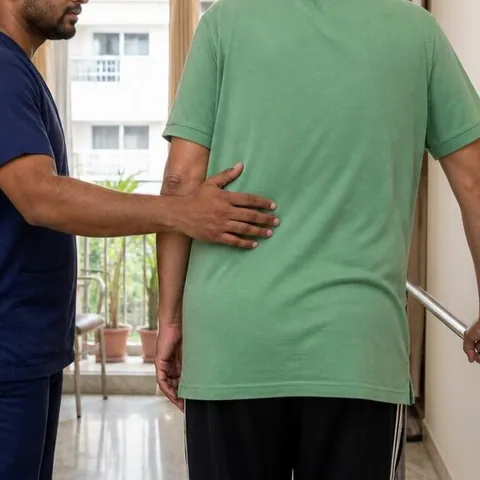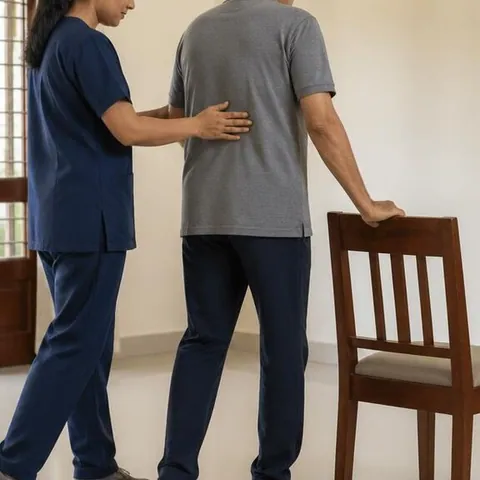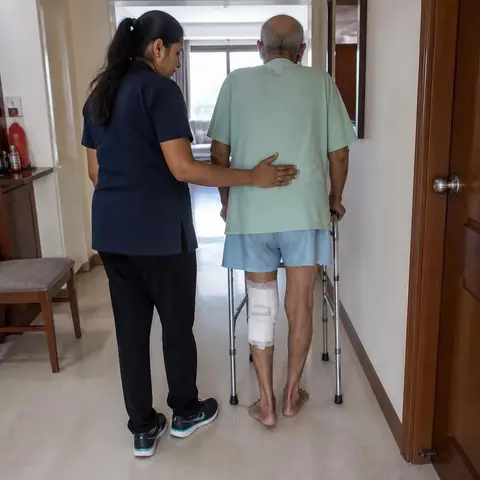
After Stroke in Guwahati: Visual Scanning and Safer Route-Finding at Home
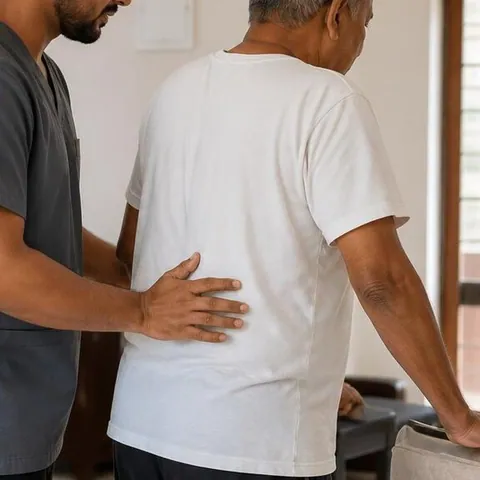
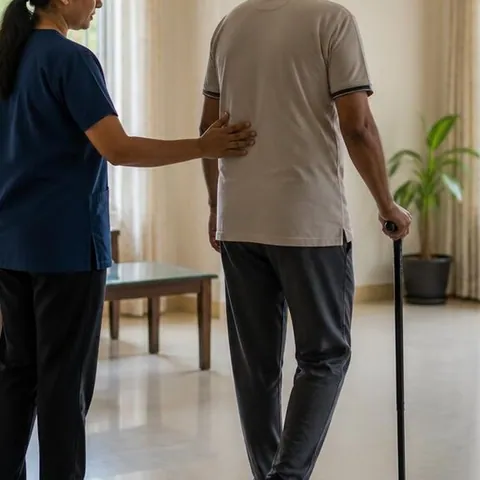
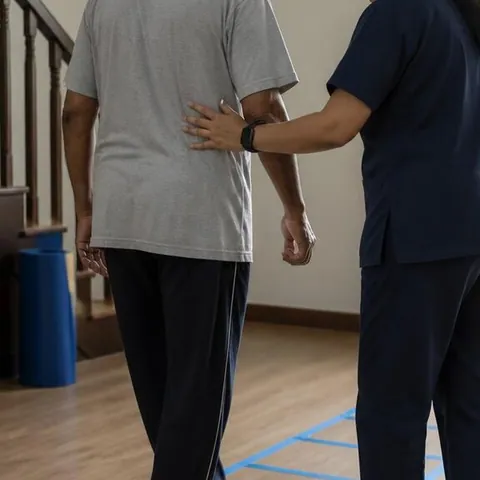
How families can make stroke rehabilitation routes safer when a person misses objects, turns, or doorways without assuming the cause.
New 2026 treatment guides and established evidence-based articles on pain, mobility, surgery recovery, neuro-rehabilitation, cardiopulmonary care, and home physiotherapy from our pan-India specialist team.
224 articles

How families can make stroke rehabilitation routes safer when a person misses objects, turns, or doorways without assuming the cause.

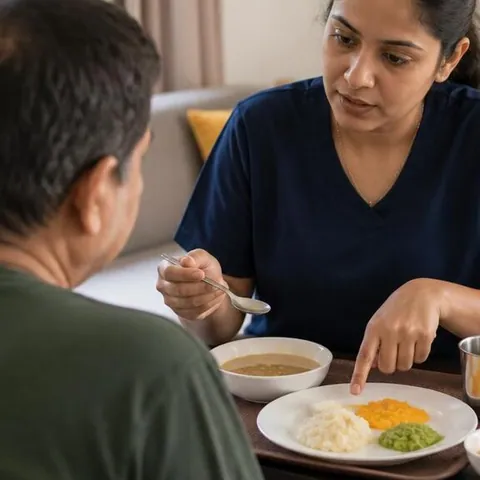
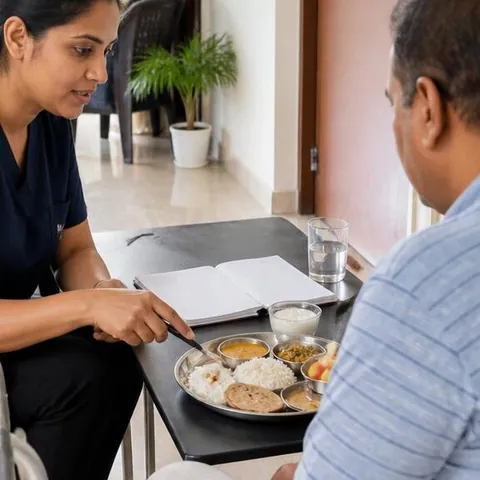
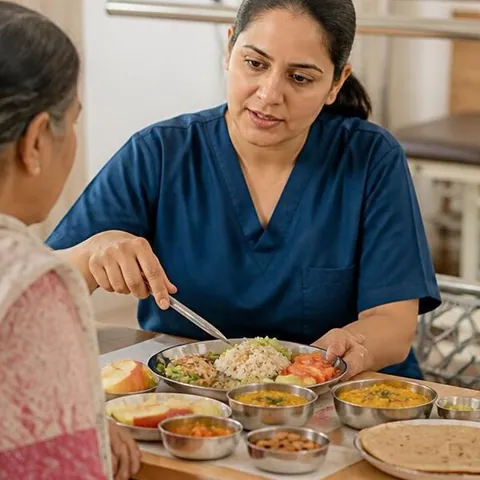
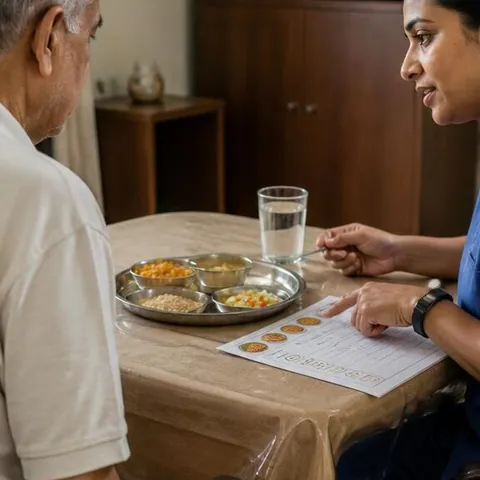
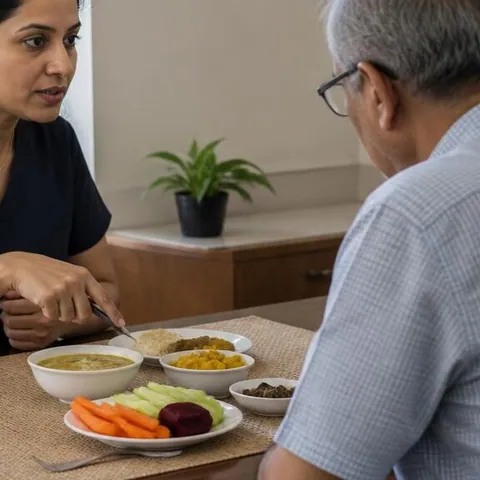
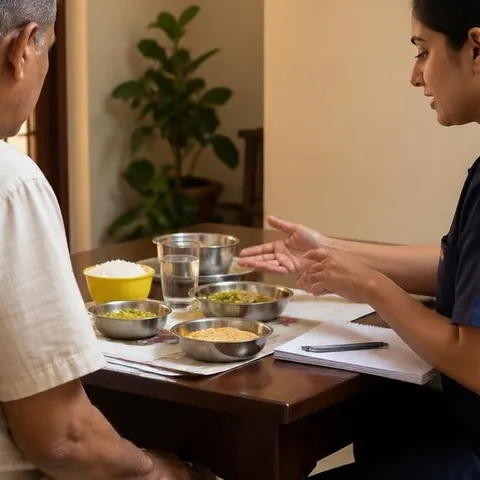
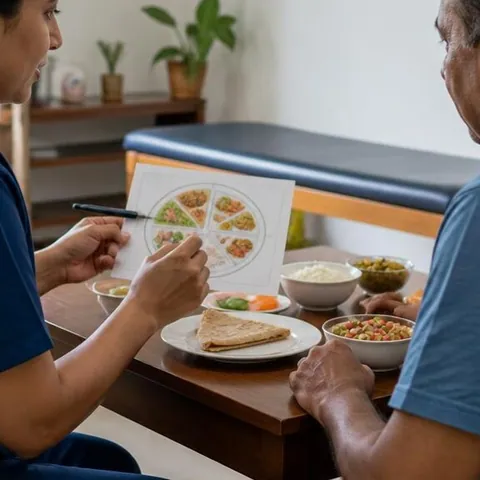
What families can observe and record when neurological fatigue or swallowing uncertainty makes meals difficult during rehabilitation.

How to describe light-headedness and recovery during early home activity after neurological or post-surgical discharge.

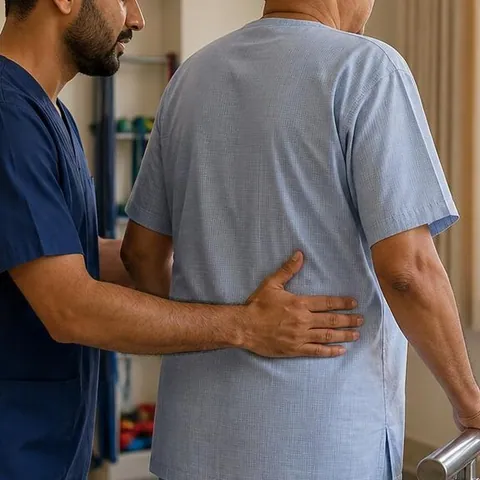
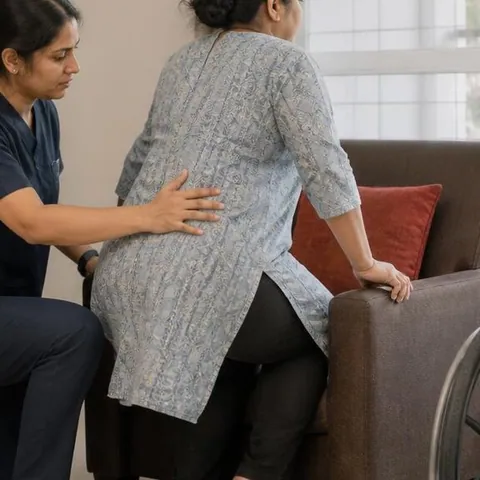
How a cardiac or thoracic surgery transfer can be assessed as a sequence rather than treated as a generic post-surgery exercise.

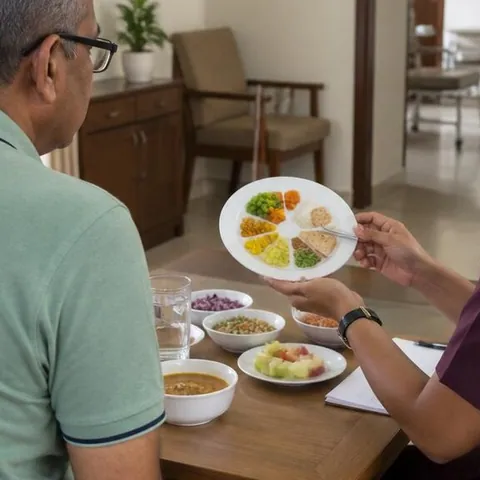
What families should record before changing food, fluids, supplements, or medication timing when meals feel exhausting after cardiopulmonary illness.

How a symptom-and-function log can improve conversations with cardiac, pulmonary, surgical, or neurological teams after discharge.

How remote stroke rehabilitation can support a shared goal without pretending that every transfer or walking route is safe to assess by video.

What to discuss with the surgical and nutrition teams before knee replacement when appetite, weight, diabetes, or kidney instructions complicate preparation.

How exercise assessment after critical illness can separate functional weakness from breathlessness without copying a post-ICU workout.

How airway-clearance physiotherapy differs from generic COPD pacing when sputum and cough begin to affect activity.

How families can coordinate competing diabetes, kidney, and rehabilitation nutrition instructions without choosing a formula from the internet.

How environmental planning can be part of COPD exercise review without creating a universal heat, oxygen, hydration, or intensity rule.

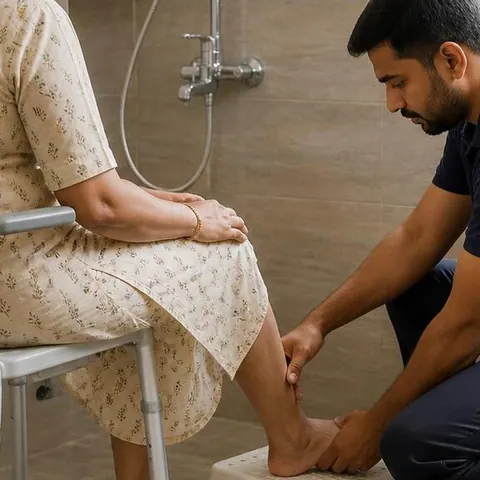
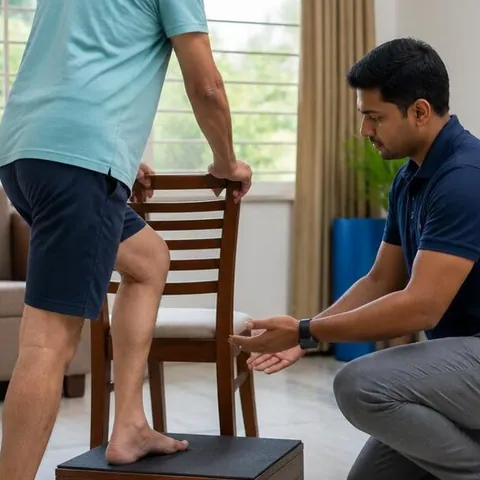
How a home physiotherapy assessment can turn bathing, dressing, and household routines into specific rehabilitation questions after orthopaedic surgery.

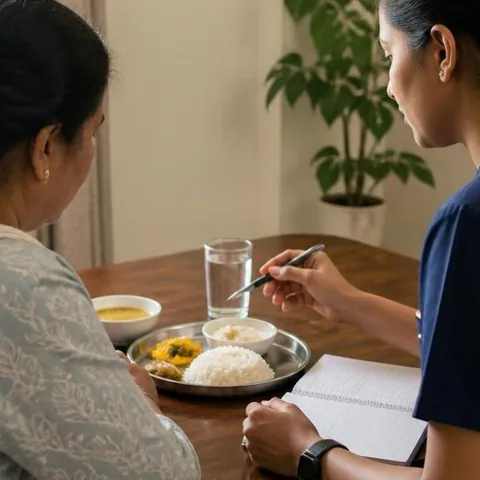
What families can record when an older adult eats less, tires during meals, or has chewing and swallowing questions during rehabilitation.

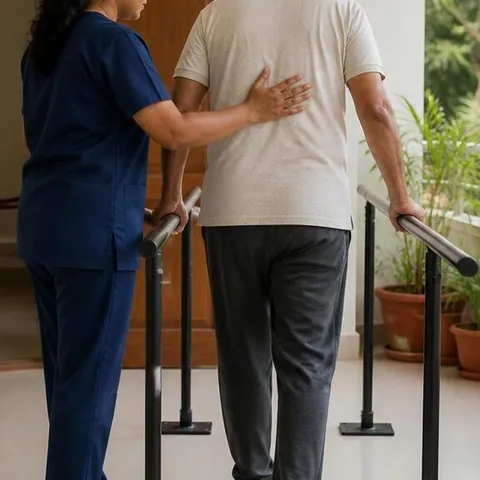
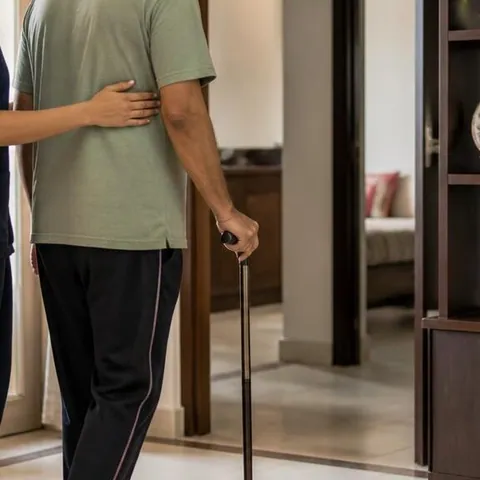
How exercise assessment can distinguish a useful walking progression from a medical change after neurological, surgical, or geriatric hospitalisation.

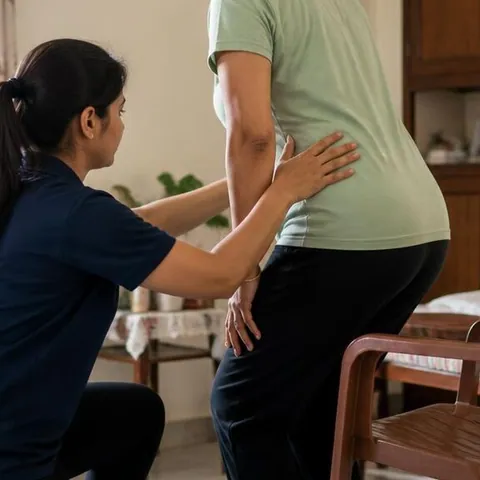
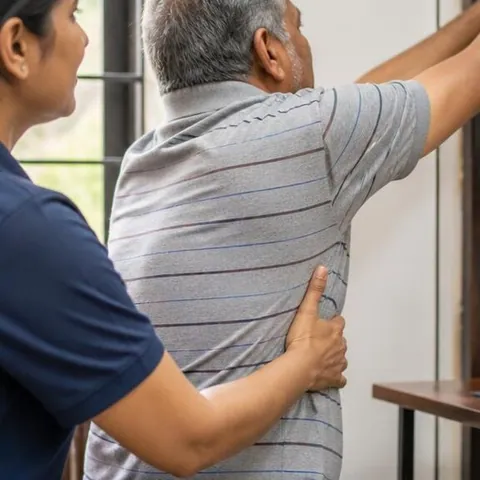
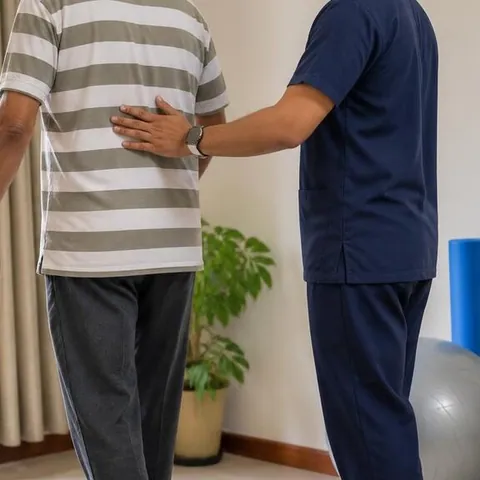
How a home physiotherapy review can make dressing and reaching practice safer after stroke without treating every person’s movement problem as the same.

What to observe and discuss when constipation, appetite, swallowing, or meal fatigue complicates Parkinson’s rehabilitation.

How exercise physiology can account for movement variability in Parkinson’s rehabilitation without turning one good session into a fixed prescription.

How home physiotherapy can connect COPD breathlessness with the real routines of bathing and meal preparation.

What families should record when chronic respiratory disease makes eating tiring or weight changes during pulmonary rehabilitation.

How exercise physiology can connect COPD activity with cough and sputum changes without asking a person to exercise through an exacerbation.

How a home physiotherapy assessment can prepare a safer vehicle transfer and community route after knee replacement.

How to prepare nutrition questions for the surgical, medical, diabetes, kidney, and dietetic teams around knee replacement recovery.

How exercise assessment can connect knee swelling and later recovery with functional progress after knee replacement.
Answers before you decide
The Journal supports informed conversations; it does not replace personal assessment or emergency care.