Orthopaedic Physiotherapy in Ranchi: Returning to Household Lifting
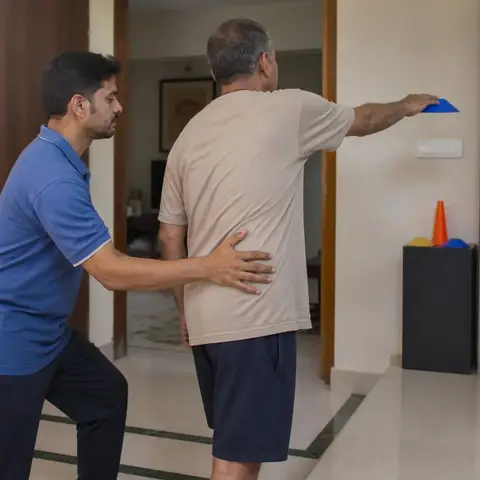
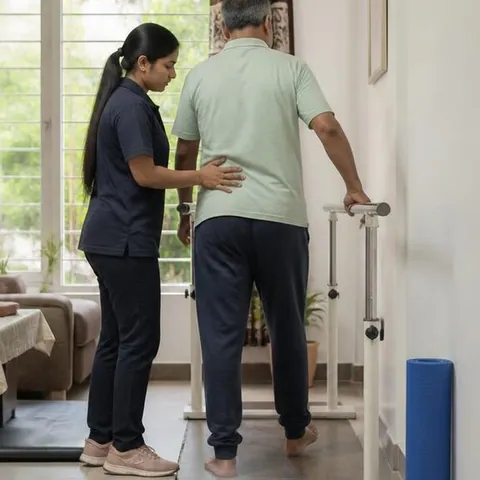
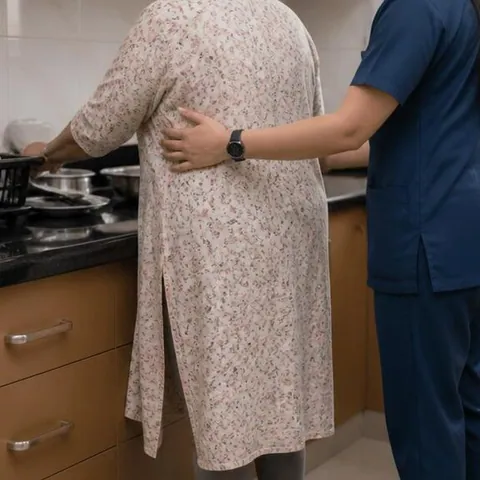
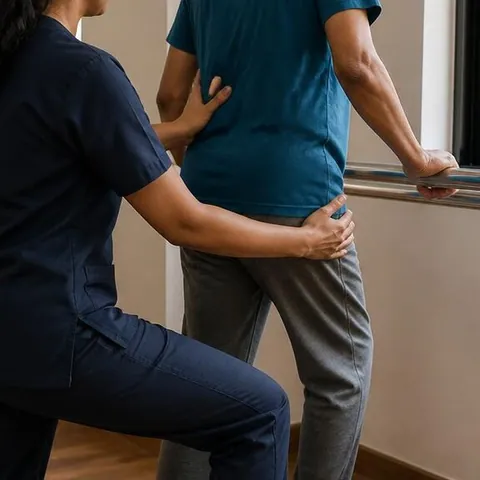
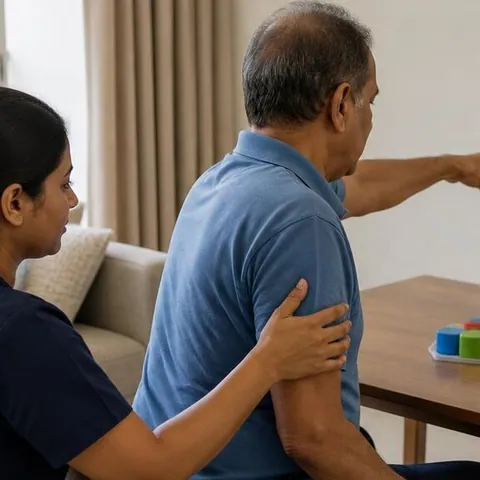
How orthopaedic physiotherapy can assess household lifting without reducing recovery to a single weight limit.
New 2026 treatment guides and established evidence-based articles on pain, mobility, surgery recovery, neuro-rehabilitation, cardiopulmonary care, and home physiotherapy from our pan-India specialist team.
224 articles

How orthopaedic physiotherapy can assess household lifting without reducing recovery to a single weight limit.

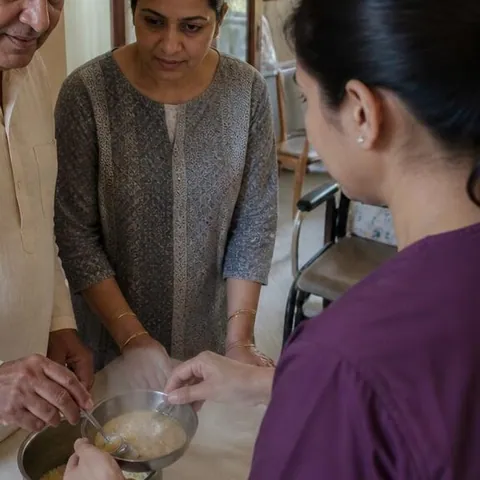
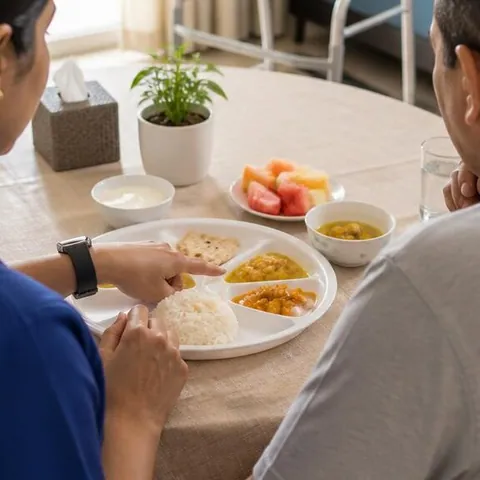
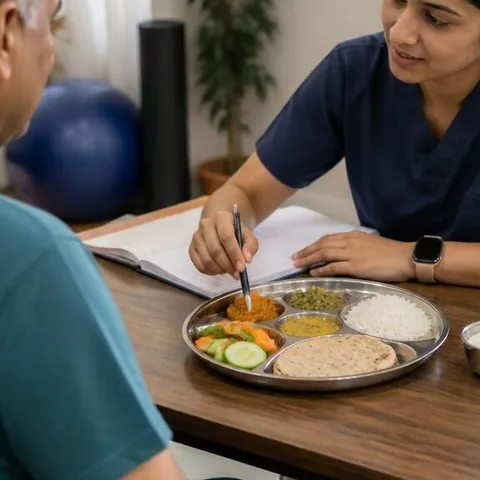
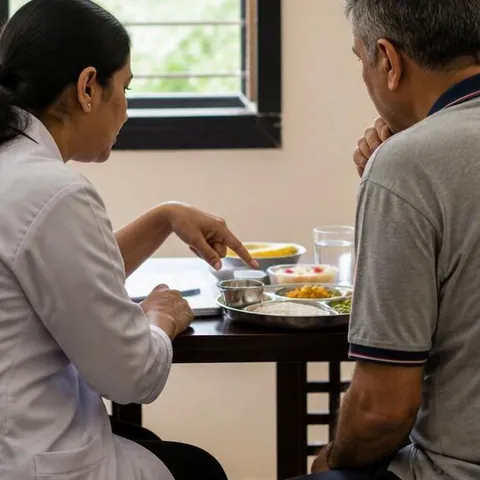
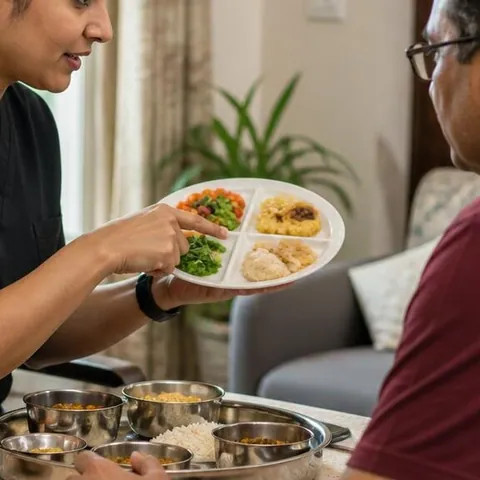
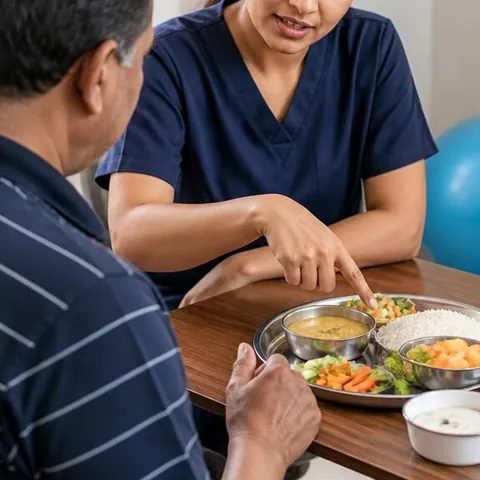
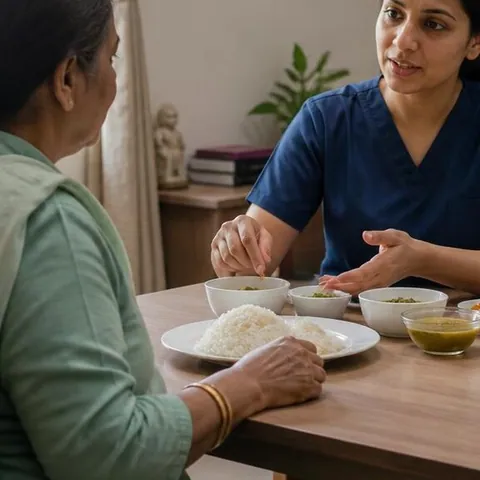
What families can observe when a person starts a meal well but becomes tired, slow, or unsafe as eating continues.

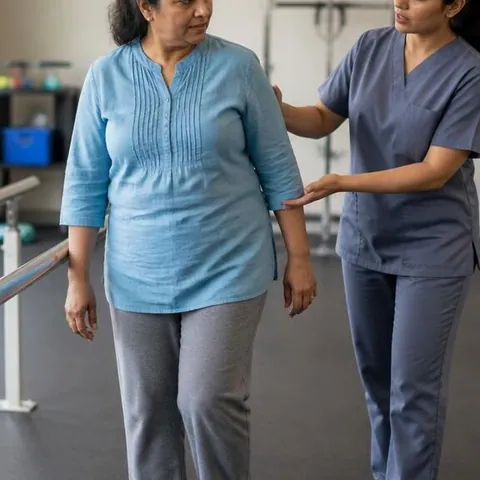
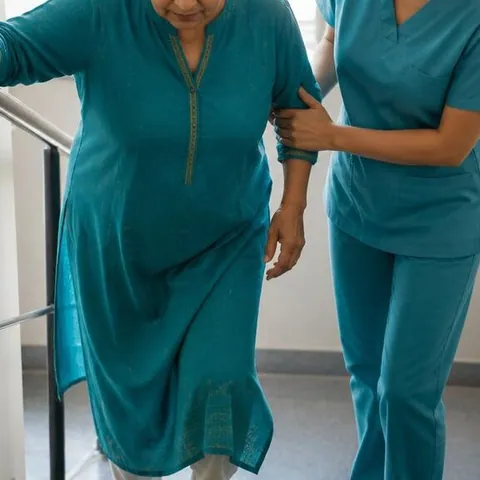
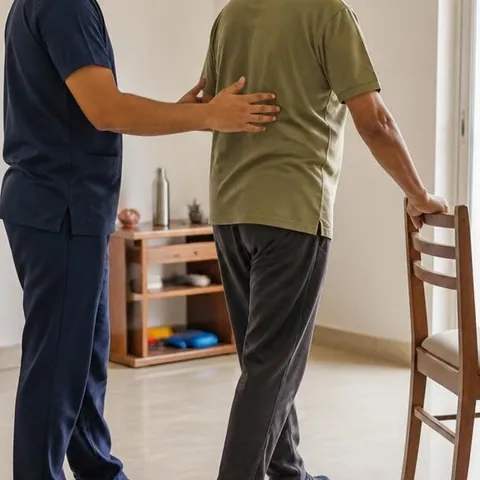
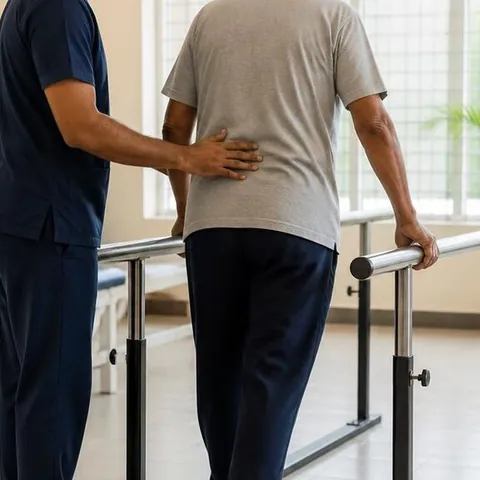
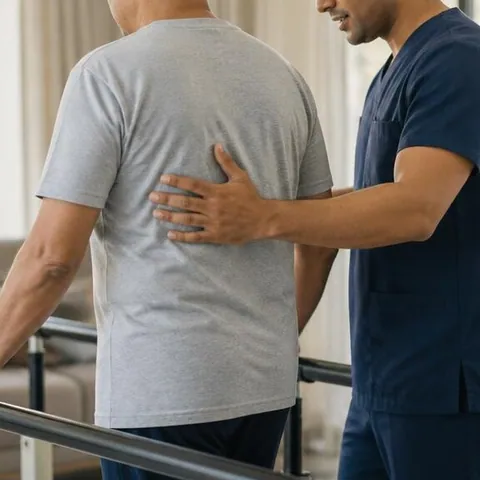
How geriatric exercise can practise safe turning decisions without treating speed as the goal.

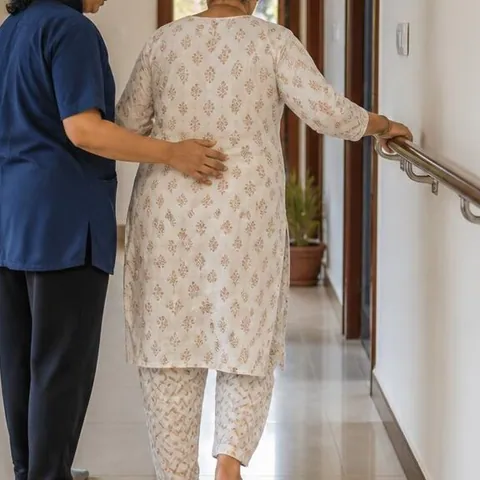
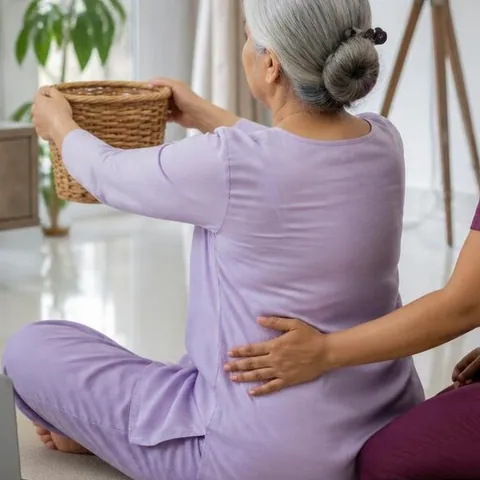
How stroke physiotherapy can break a meaningful home task into safe movement decisions rather than a list of repetitions.

How to identify whether a changed recovery routine is affecting food access, appetite, symptoms, or the need for clinical review.

How exercise physiology can monitor activity and recovery after cardiopulmonary illness without creating a home clearance rule.

A practical Chandigarh guide to individualized stroke assessment, task-specific practice, caregiver education, home safety, and clinical review.

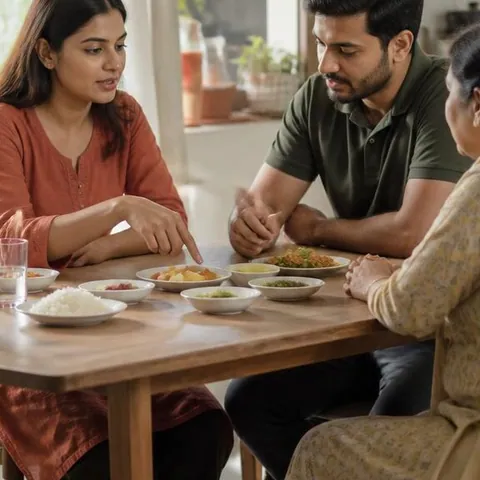
How Chandigarh families can discuss food, fluids, swallowing, appetite, and medical restrictions during rehabilitation without relying on a one-size-fits-all diet.

A safety-first Chandigarh guide to assessment, activity logs, progression, supervision, and stop rules across rehabilitation pathways.

How Ahmedabad families can connect post-stroke assessment with safer transfers, walking, daily tasks, and home practice.

A practical Ahmedabad nutrition guide for rehabilitation and training that avoids rigid meal plans, supplement promises, and unsafe medical assumptions.

How Ahmedabad patients can approach exercise after cardiac events or orthopaedic procedures with assessment, monitoring, and gradual progression.

A practical Lucknow guide to turning stroke assessment into safe daily tasks, caregiver support, and reviewed home progress.

What Lucknow families should ask about appetite, fluids, swallowing, weight, supplements, and nutrition support after surgery.

How Lucknow patients can approach cardiopulmonary and joint-replacement exercise with clearance, monitoring, and symptom-led progression.

How Mumbai families can plan meaningful household tasks around neurological fatigue without treating exhaustion as a test of willpower.

What Mumbai families can ask about food, appetite, medicines, and hydration while cardiac rehabilitation is coordinated with medical care.

How activity can return after Guillain–Barré syndrome with assessment, fatigue monitoring, recovery logs, and clear medical stop rules.

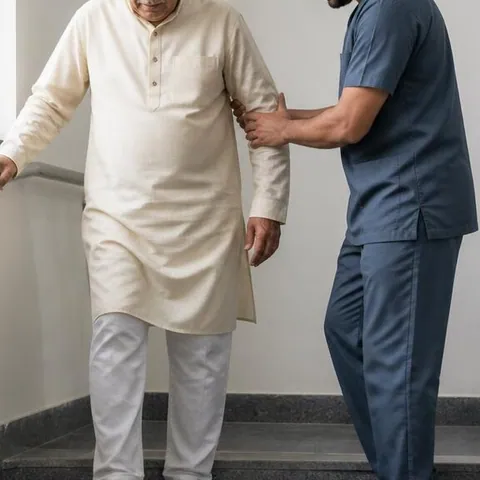
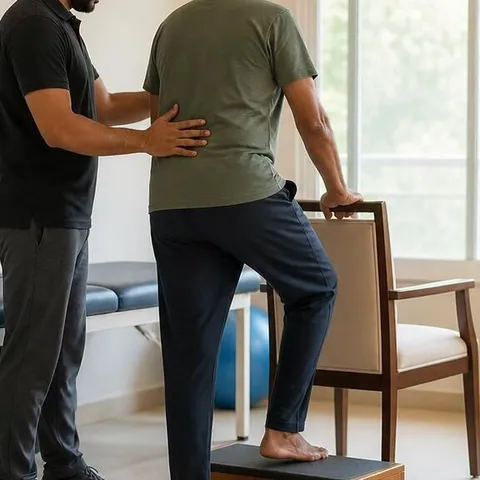
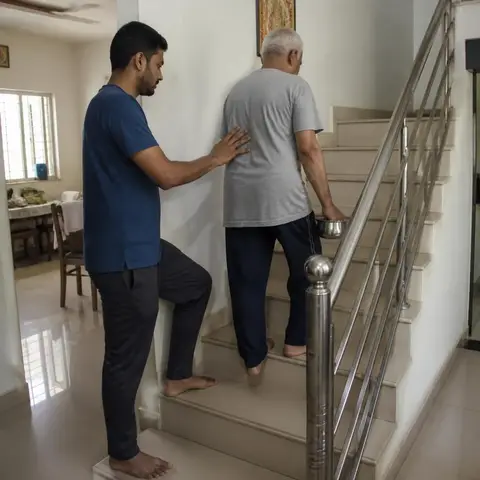
How Pune patients can prepare for stairs, a building entrance, transport, work, and daily travel after surgery without relying on a fixed return date.

What Pune families can ask about eating, breathlessness, appetite, hydration, and recovery during pulmonary rehabilitation.

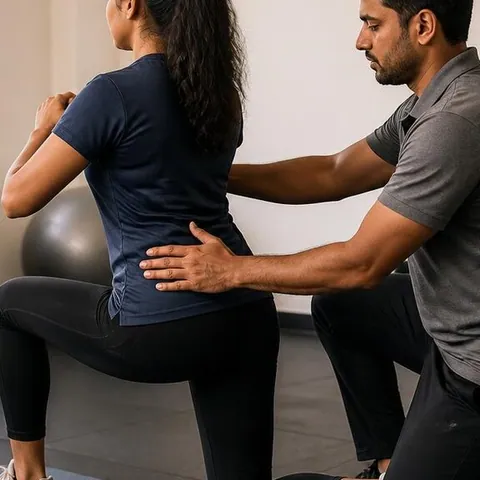
How Pune athletes and active adults can preserve suitable conditioning after injury without using cross-training to bypass recovery restrictions.

How Hyderabad families can turn reaching, grasping, dressing, and kitchen tasks into safer, individualized upper-limb practice after stroke.

What Hyderabad families can ask when breathlessness, fatigue, or cardiopulmonary symptoms make eating and food preparation tiring.

How Hyderabad patients and families can connect post-discharge activity with clearance, symptom monitoring, recovery logs, and clinical review.
Answers before you decide
The Journal supports informed conversations; it does not replace personal assessment or emergency care.