At a glance
What this guide can help you understand
Learn how physiotherapy approaches first-step heel pain with load management, calf flexibility, strength, and footwear advice.
What should you bring to a consultation?
Share your main concern, when it started, what affects it, current medicines, and any reports or precautions you have been given.
See our clinical assessment approachWhen should you pause and seek medical advice?
Pause routine exercise and seek medical advice for sudden severe change, new neurological symptoms, breathing difficulty, chest pain, major injury, or feeling acutely unwell.
This guide is educational and does not replace diagnosis or urgent care.
Plantar heel pain is often worst with the first steps after sleep or rest and may ease as you move. The plantar fascia, calf complex, foot strength, footwear, activity changes, and body weight can all influence the load on the heel.
What Physiotherapy Checks
Assessment includes the exact pain location, walking and standing demands, ankle and big-toe movement, calf strength and flexibility, foot control, footwear, training errors, and medical factors that may mimic heel pain.
Treatment Plan
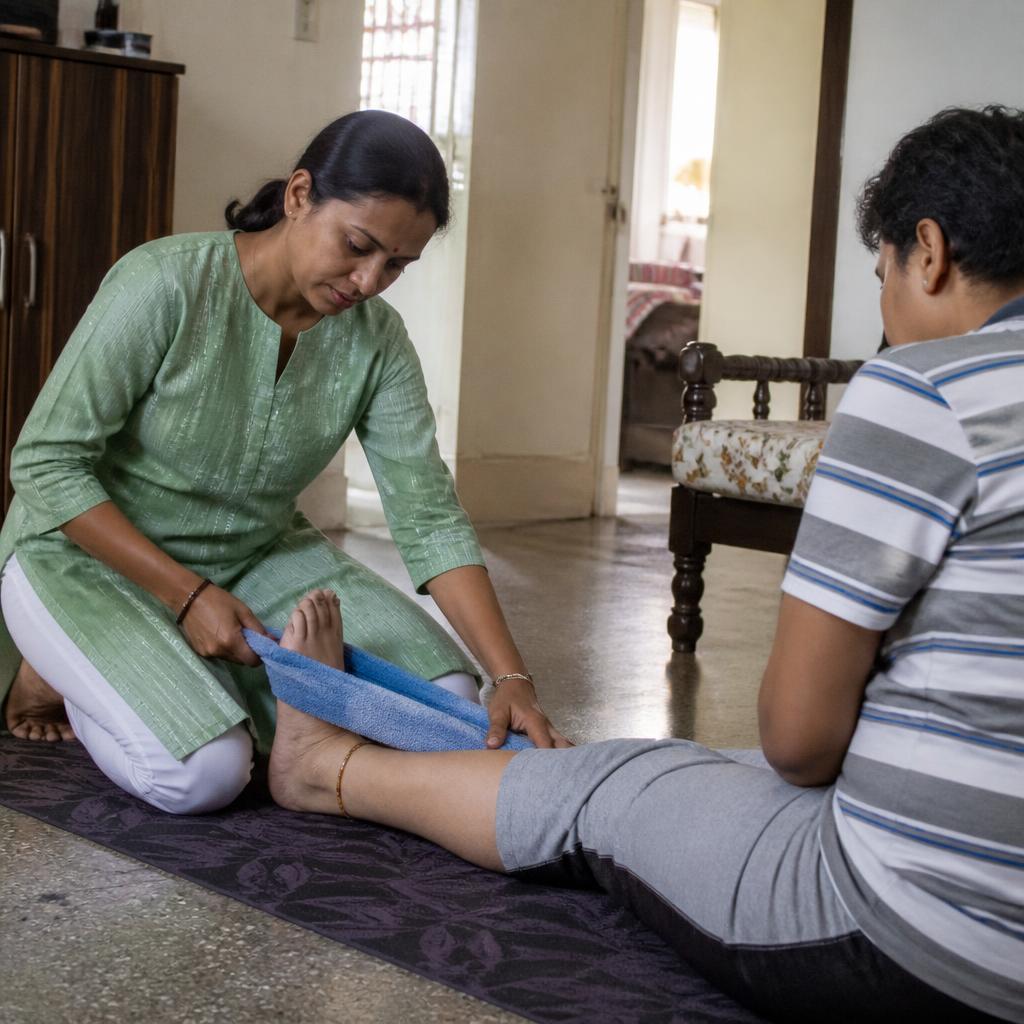
A physiotherapist may recommend temporary load modification, calf and plantar-foot mobility, progressive calf and foot strengthening, comfortable footwear, and a gradual return to longer walks or exercise. Consistency matters more than aggressive stretching. Improvement is commonly measured by easier first steps, longer comfortable walking, and improved strength.
Numbness, burning, marked night pain, unexplained swelling, sudden injury, or failure to improve should prompt reassessment because not all heel pain is plantar fasciitis.
Textbook basis: Principles are synthesised from Magee’s Orthopedic Physical Assessment, Kisner & Colby’s Therapeutic Exercise, and Goodman & Fuller’s Pathology for the Physical Therapist.
Clinical sources & further reading
These public resources provide general clinical guidance. They do not replace an assessment or an individual treatment plan.
Continue exploring
Choose your next step
Keep exploring with a focused guide, a relevant care option, or a direct enquiry.
Need professional advice?
Book an assessment with our expert team.